
In-Depth Analysis of the UK's Latest Sanctions Compliance Guidance: How Chinese Enterprises Can Respond to New Cross-Border Compliance Challenges
In-Depth Analysis of the UK's Latest Sanctions Compliance Guidance: How Chinese Enterprises Can Respond to New Cross-Border Compliance Challenges
Attorneys OU Yingshi and PAN Yetong note that on June 27, 2025, the UK Foreign, Commonwealth and Development Office published a sanctions compliance guidance for non-UK businesses, aiming to help third-country enterprises identify and avoid circumventing UK sanctions against Russia. The guidance clarifies typical circumvention scenarios, such as indirect shipments and concealing end-users, and points out that if non-UK enterprises participate in circumvention activities or have specific links to the UK, they will face severe consequences such as asset freezes and loss of international cooperation opportunities. UK sanctions against Russia mainly cover financial sanctions (freezing the assets of designated persons) and trade sanctions (embargoes on goods and restrictions on services). The guidance suggests that Chinese enterprises strengthen pre-transaction due diligence and 'red flag' screening, establish a compliance management system encompassing high-level coordination, contractual constraints, and dynamic monitoring, and continuously follow updates to the UK sanctions list to effectively mitigate compliance risks.
Introduction:
On June 27, 2025, the UK government released a brand new sanctions compliance guidance. Developed by the Foreign, Commonwealth and Development Office, the guidance is designed to help third-country businesses that are neither British nor Russian (hereinafter “non-UK businesses”) avoid circumventing UK sanctions against Russia. Its core objective is to ensure that businesses operating with the UK clearly understand and strictly adhere to the UK’s Russia sanctions regulations, thereby avoiding the severe consequences of non-compliance [1].
The backdrop for this guidance is the unprecedented sanctions regime imposed by the UK and its international partners in response to Russia’s invasion of Ukraine, placing extensive restrictions on trade and economic activities involving Russia. Therefore, to assist non-UK businesses in understanding and complying with the UK’s sanctions against Russia, the guidance elaborates on circumvention behaviors, the subjects to which the sanctions apply, the risks faced by non-UK businesses, and the measures involved in the UK’s sanctions against Russia.
I. Interpretation of the Guidance Content
(I) What behaviors constitute sanctions circumvention?
The guidance notes that Russia continues to procure Western military, dual-use, and other critical goods from third countries to evade UK sanctions through methods such as indirect shipping routes, falsifying the end-use of goods, and using professional evasion networks. The guidance also provides the following illustrative examples of what constitutes sanctions circumvention:
-
A Russian importer places an order with a non-UK business to obtain goods that it cannot directly acquire from the UK due to sanctions.
-
A non-UK business orders goods from a UK supplier but fails to inform the supplier or relevant parties—such as banks, insurance companies, or shippers—that the end-users of these goods are in Russia.
-
A UK supplier exports goods to a non-UK business located in a third country, which then subsequently exports them to Russia.
In short, the behaviors listed in the above examples essentially involve helping Russia acquire goods restricted by sanctions within the transaction chain. The guidance also warns that such risks will affect all relevant parties throughout the supply chain, regardless of the form or scale of their involvement.
For Chinese enterprises, cross-border traders, freight forwarders, and logistics companies are highly likely to be involved in the relevant supply chains. Assisting in receiving orders from Russian importers, reselling or transporting goods prohibited from import by Russia to Russia, or failing to report Russian entities involved in the transaction may constitute sanctions circumvention.
(II) Who must comply with UK sanctions regulations?
The guidance points out that the compliance obligations under UK sanctions laws primarily apply to UK persons. Unless specific conditions are met, the UK generally does not take civil or criminal enforcement action against overseas persons. However, if a non-UK business engages in sanctions circumvention, it may still be subject to UK sanctions, resulting in impacts on its business operations. The specific conditions include the following:
1. Involving UK Nationals and Entities
-
UK nationals acting as employees or directors in a non-UK business.
-
UK-registered companies (including their non-independent overseas branches).
-
Overseas subsidiaries of UK-registered companies, which remain subject to jurisdiction if they:
-
Conduct part of their business in the UK, such as traveling to the UK to negotiate or sign contracts;
-
Purchase insurance, banking, clearing, or legal services in the UK market for use overseas.
-
2. Specific Third-Country Businesses
- Involved in sanctions circumvention activities prohibited by the UK.
Therefore, even if a Chinese company does not employ UK staff and has no UK shareholders in its equity structure, as long as it participates in sanctions circumvention activities prohibited by the UK, it may still face UK sanctions, leading to the loss of business opportunities with UK and international partners. If a Chinese company employs UK staff, it must also ensure these employees do not participate in any sanctions circumvention activities, preventing them from engaging in UK-prohibited evasion behaviors under company instructions and subsequently facing civil or criminal penalties in the UK.
(III) What are the main UK sanctions against Russia? What are the risks for Chinese enterprises?
The guidance notes that while the compliance obligations under UK sanctions laws primarily apply to UK persons, and the UK typically does not enforce civil or criminal actions against overseas persons unless specific conditions are met, non-UK businesses engaging in circumvention may still face UK sanctions affecting their operations.
The UK’s sanctions against Russia encompass a range of activities, but the most common measures relevant to non-UK businesses are financial sanctions and trade sanctions, which are also the primary areas non-UK businesses must focus on during their operations.
1. Financial Sanctions
Financial sanctions refer to freezing the assets of designated individuals and entities (hereinafter “designated persons”) and cutting off their access to funds and business opportunities. Such designated persons are added to the UK sanctions list. For non-UK businesses, the compliance requirement is that they must not transfer goods or services provided by UK suppliers to designated persons, or allow designated persons to benefit from them. These sanctions apply not only to designated persons explicitly on the UK sanctions list but also to entities controlled by designated persons. The specific meaning of “control” includes:
-
An entity in which the designated person directly or indirectly holds more than 50% of the shares or voting rights.
-
An entity where the designated person has the right, directly or indirectly, to appoint or remove a majority of the board of directors; or
-
Situations where it is reasonable to expect that the designated person will be able to ensure the affairs of the entity are conducted in accordance with their wishes.
In practice, verifying relevant transaction counterparties can be conducted from the following three perspectives:
| Key Verification Points | Verification Content |
|---|---|
| Sanctions List Screening | Search names and addresses via the OFSI UK sanctions list, and verify details such as aliases and dates of birth. If an address matches the sanctions list but the name does not, consider whether a shell company or Trust and Company Service Provider (TCSP) is involved, and conduct further investigation. |
| Ownership Verification | Confirm whether a sanctioned individual holds > 50% ownership. Comprehensive investigation requires obtaining information such as the equity structure of partners or potential partners. |
| Control Verification | Confirm whether actual control is exercised by a sanctioned individual, including holding board appointment powers or having substantial influence over business decisions. |
Of course, under specific circumstances (such as humanitarian scenarios, debt repayment, etc.), transactions may be conducted through general licenses or specific licenses issued by the UK government.
For example, if Chinese Trading Company A resells goods originating from the UK to Russian Company B, and two of Company B’s shareholders are designated persons under UK sanctions, holding over 50% of Company B’s equity, Chinese Company A, if it continues to supply goods to Company B, may be deemed by the UK as indirectly supporting sanctioned targets, thereby facing the risk of UK sanctions. Therefore, before engaging in transactions involving Russia or the UK, Chinese enterprises should pay attention to checking the transaction counterparty in the following two aspects:
-
Is any party to the transaction a designated person on the UK sanctions list?
-
Is any party to the transaction controlled by a designated person?
2. Trade Sanctions
In addition to sanctions against designated persons, the UK has implemented extensive trade sanctions against Russia, covering a vast array of goods and services. For these goods and services, transactions within specific scopes are prohibited, such as directly or indirectly exporting sanctioned goods from the UK to Russia, directly or indirectly importing Russian sanctioned goods into the UK, transferring specific technologies to Russia, providing technical assistance related to sanctioned goods, or directly or indirectly providing financial services or funds related to sanctioned transaction activities to relevant persons in Russia. The aforementioned activities may all involve the participation of non-UK businesses.
Therefore, as Chinese enterprises, it is necessary to pay attention to the goods and services covered by the UK’s sanctions against Russia, and take care to identify relevant high-risk goods and services when participating in transactions involving Russia.
① Goods Covered by Sanctions
Relevant prohibited goods are explicitly listed in the Common High Priority List (CHPL) jointly compiled by the UK, US, EU, and Japan [2]. It is important to note that the CHPL does not include all sanctioned goods; businesses should still consult other UK sanctions lists targeting Russia. Naturally, if a good falls within the CHPL, extra caution should be exercised during transactions.
Common high-priority goods include the following:
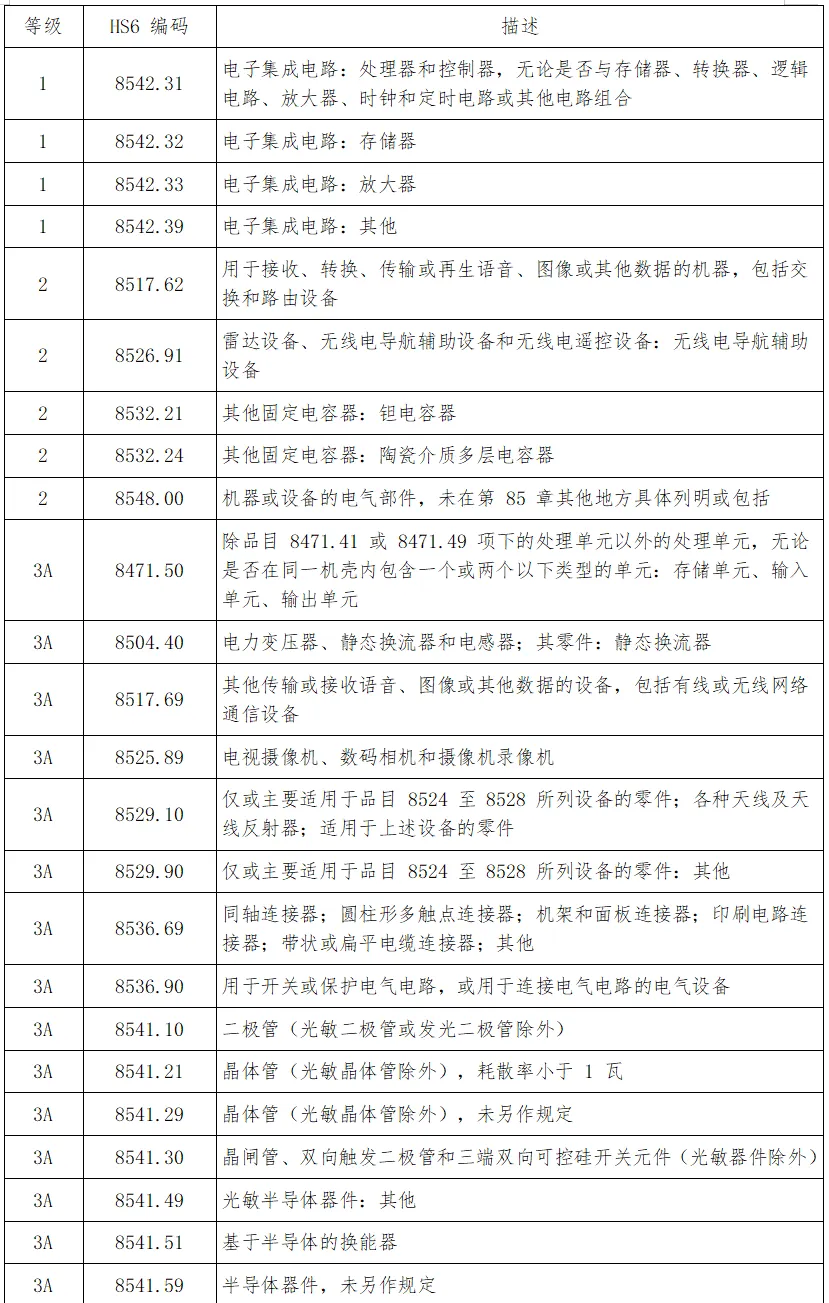
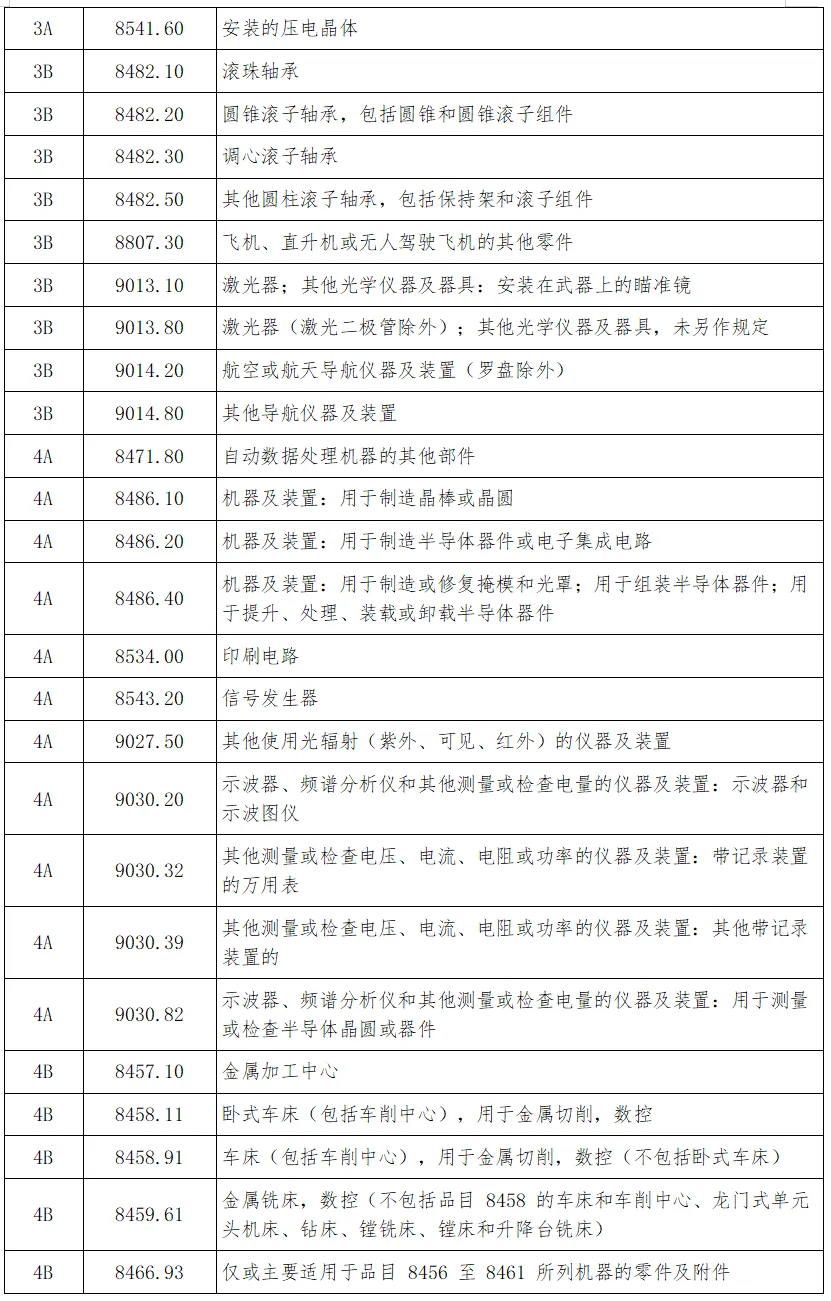
In addition to the goods listed in the tables above, sanctioned goods also include military, defense, security, and dual-use goods and technologies; oil refining, aviation, maritime, and space goods and technologies; energy-related goods; and luxury goods, among others.
② Services Covered by Sanctions
Among the services provided by non-UK businesses, common UK sanctions scopes prohibit the provision of:
-
Professional and Business Services: This includes providing accounting, business and management consulting, public relations, advertising, architectural, auditing, engineering, and IT consulting and design services to persons connected with Russia. Meanwhile, providing legal advisory services to non-UK persons regarding certain activities is also prohibited if those activities would breach UK sanctions against Russia were they undertaken by a UK person or occurring within the UK.
-
Maritime, Insurance, and Financial Services for Russian Oil: Providing maritime transport, insurance, and other financial services for ships transporting Russian crude oil or refined petroleum products is prohibited, unless these products are sold below a specific price cap.
-
Aviation and Shipping Restrictions: All Russian-owned or operated aircraft and vessels are prohibited from entering UK airspace, landing spots, and ports.
Given the above, if Chinese enterprises are involved in transactions related to Russia that implicate the aforementioned high-priority goods or the scope of services covered by UK sanctions, they must be careful to avoid violating the compliance requirements of the UK’s sanctions against Russia.
(IV) Impact of Sanctions Risks on Third-Country Businesses
For non-UK businesses, even if they are not UK subjects, assisting in sanctions circumvention activities can still lead to UK sanctions. In fact, a range of non-UK businesses have already been sanctioned on this basis after being identified as engaging in activities that undermine the objectives of the UK’s sanctions against Russia. In practice, sanctioned non-UK businesses will face the following adverse consequences:
-
Asset Freezes: UK banks can freeze the assets of third-country businesses or individuals involved in Russian trade, rendering them unable to cooperate with UK and international enterprises;
-
Commercial Rejection: UK businesses may refuse to supply or purchase goods, repair or maintain equipment, or provide most professional and commercial services to them.
Therefore, if Chinese enterprises are involved in trade, investment, or services related to Russia and the UK, they must strictly verify whether the transaction counterparty is a sanctioned entity and whether the goods are on the embargo list, ensuring they disclose the true end-use to the UK party. Otherwise, even if not directly violating Chinese law, they may still face business cooperation interruptions or international reputational damage due to UK sanctions.
II. How Should Chinese Enterprises Respond to Such Sanctions Risks?
(I) Check for “Red Flags”
When Chinese enterprises engage in transactions involving Russia and the UK, they should pay attention to checking for “red flags” in aspects such as partners, goods, and payments—that is, identifying whether there is a risk of violating UK sanctions regulations or transaction risks that, while not illegal, may affect future trading capabilities.
| Assessment Item | Assessment Content |
|---|---|
| Partners & Customers | 1. Are they sanctioned, controlled by, or affiliated with a sanctioned person? Affiliation refers to scenarios like > 50% equity ownership or board appointment rights. 2. Do they have links to Russia (e.g., place of registration, business dealings)? 3. Are they suspected shell companies (e.g., abnormal addresses, complex transaction processes, recently established)? 4. Is the end-use of the goods doubtful? (Pay attention to suspicious circumstances like inconsistent document information or a counterparty refusing to provide details). |
| Goods & Transportation | 1. Do the goods originate from a sanctioned country or fall under the embargoed items on the CHPL list? 2. Is the trade pattern abnormal (e.g., the goods do not match the customer’s business)? 3. Confirm whether the transportation route is circuitous, or if the country of origin or commodity codes are suspicious. |
| Payment Methods | 1. Are shell companies, cryptocurrencies, or non-SWIFT channels used for transfers? 2. Are letters of credit abnormal (e.g., the recipient is a bank rather than the actual user)? 3. Do they accept payments far above market prices? |
For transactions that have already occurred, or long-term cooperation contracts, periodic reviews are also necessary. Specifically, reference can be made to the following two aspects:
| Specific Method | Main Content |
|---|---|
| Dynamic Monitoring | 1. Track trade flows and buyer patterns to identify anomalies in the export of high-risk products. 2. Regularly review business risks such as changes in customer situations and the introduction of new sanctions policies. |
| Compliance Auditing | 1. Conduct regular reviews of due diligence, checking for risk points such as director changes and shifts in transaction patterns. 2. Conduct post-transaction reviews to investigate whether there are Russian affiliations or suspicious activities in the payment process. |
(II) Establish Corporate Compliance Policies
Based on the analysis of relevant risks involving non-UK businesses, Chinese enterprises can formulate corporate compliance policies to mitigate the risk of non-compliance. Reference can be made to the following three points:
| Key Compliance Points | Compliance Content |
|---|---|
| High-Level Leadership | Have the CEO lead compliance efforts, clarify the division of responsibilities, and conduct employee training to raise overall compliance awareness. |
| Due Diligence & Contract Management | 1. Require partners and clients to clarify risk points and ensure goods are not sanctioned; require them to sign an End User Certificate (EUC) committing that the goods will not be supplied to Russia. 2. Establish an archive of suppliers and customers, regularly checking and assessing risks to avoid being implicated as part of a supply chain. 3. Include protective clauses in contracts, such as prohibiting resale to Russia and allowing for termination of the contract without liability. |
| Dynamic Updating | Regularly review compliance policies, subscribe to UK government sanctions update email alerts, promptly adjust business processes according to legal changes, and continuously conduct compliance audits and employee training. |
References:
[1] https://www.gov.uk/guidance/uk-sanctions-guidance-for-non-uk-businesses
Intern SHEN Zidan also contributed to this article.
Contact Lawyer
Submit your contact details and consultation question. We will follow up ASAP.